
Key Takeaways
- Sedation can help kids feel calmer during dental care.
- The dentist reviews your child’s health before any sedation plan.
- Sedation options depend on the child’s health and treatment needs.
- Your child’s breathing, heart rate, and comfort are checked during the visit.
- Markham Dental offers evening, Saturday, and online booking options.
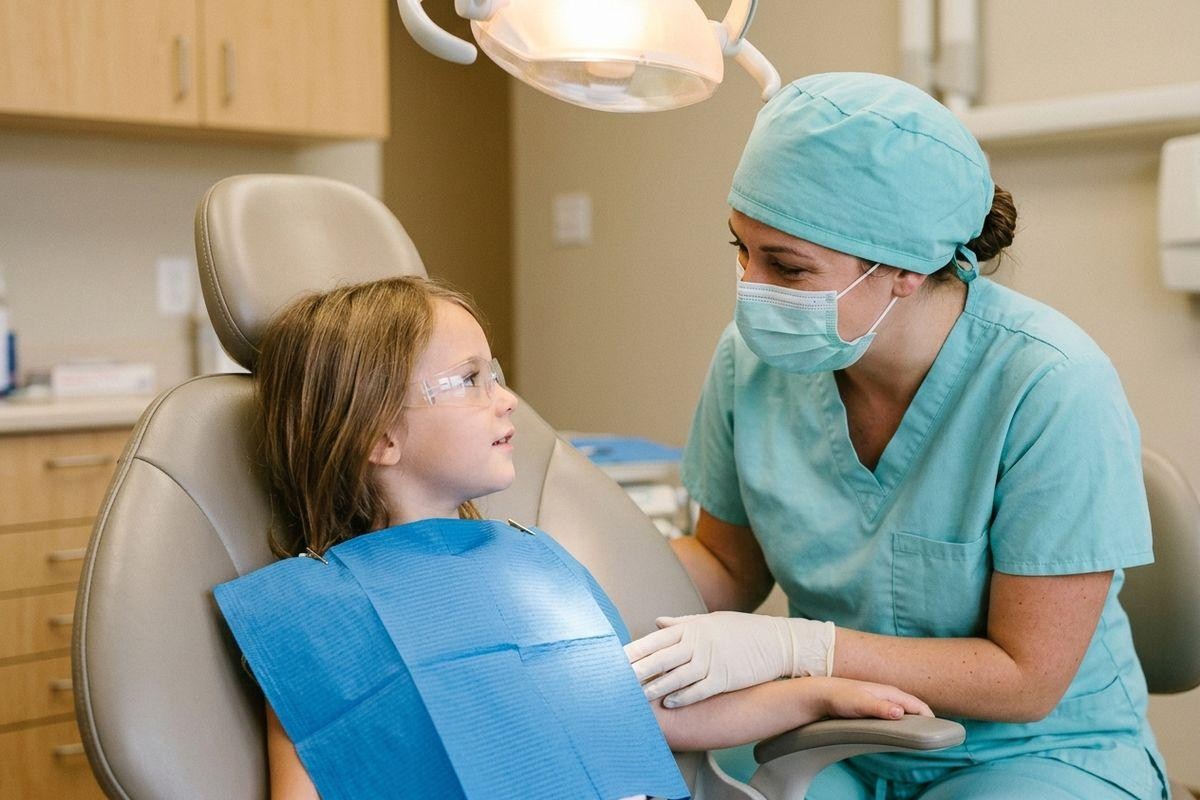
At Markham Dental, children may feel uneasy about unfamiliar sights, sounds, or procedures. If your child is anxious or has difficulty sitting through treatment, sedation may be one option to discuss with the dentist.
Sedation dentistry isn’t risk-free. A qualified dentist should review your child’s health, discuss the benefits and risks, and ensure appropriate monitoring before, during, and after the procedure.
Sedation Dentistry for Children in Markham, ON
Sedation means your child gets medicine that can help them feel calm during dental treatment. It does not replace kindness, patience, or clear steps. It works with those things so your child can get through care with less stress.
Your dentist may discuss sedation if your child has significant anxiety, difficulty sitting still, or needs a longer or more complex procedure. Whether sedation is appropriate depends on your child’s health, the procedure, and a careful assessment of benefits and risks.
At Markham Dental, the team takes a calm and simple approach. Your child can see the room, hear what may happen next, and get time to settle in. If you need a dentist in Markham, ON who offers flexible visit times, the clinic has evening and Saturday appointments, plus an online booking calendar for busy families.
Oral & IV Sedation Options for Children
Oral sedation is a prescribed medicine taken by mouth before treatment. It may be provided as a liquid or tablet, depending on your child’s needs. Effects vary, so the dentist will explain what to expect and how your child will be monitored.
IV sedation is delivered through a vein. Your dentist can explain whether it may be appropriate for your child’s procedure and what monitoring is planned. A qualified provider can adjust medication based on your child’s response.
Sedation dosing is individualized. The dentist considers your child’s age, weight, medical history, the procedure, and comfort level. Ask what to expect during recovery and how long supervision will be needed.
Safety Checks Before & At Your Child’s Visit
Before sedation, the team reviews your child’s health history, including past dental visits, medical conditions, and recent illness. A stuffy nose, cough, fever, or upset stomach may change the plan. Tell the dentist about loud snoring, sleep apnea, enlarged tonsils, or any other breathing concerns, since airway factors can affect sedation planning.
Bring a list of medicines, vitamins, and allergies to help the dentist plan care. If your child has reacted to a medicine before, even years ago, share those details during the review.
Monitoring depends on the sedation level and may include heart rate, breathing, and oxygen levels. The team monitors your child during the procedure and recovery, and can respond if additional support is needed.
Follow the eating and drinking instructions the team gives you; requirements depend on the sedation plan. After the visit, your child may feel sleepy, so plan for a quiet recovery at home.

Signs Your Child May Need Sedation Support
Some kids can finish a dental visit with gentle coaching and short breaks. Others need more support, and that is okay. Sedation may help your child receive care when fear or body reactions get in the way.
- Your child cries, shakes, or panics before dental visits.
- Your child cannot sit through a longer appointment.
- Your child has a strong gag reflex during care.
- Your child moves suddenly when dental tools come close.
- Your child is scheduled for a longer or more involved procedure.
- Your child had a hard dental visit in the past.
If these signs sound familiar, you can talk with the dentist before booking treatment. A planning visit can help you understand the options and what may fit your child’s needs.
Cost & Scheduling
Cost can be one of the first things on your mind. Markham Dental charges fee guide prices and accepts all major insurance companies. For basic general services, the clinic can direct bill, which may reduce the paperwork you need to handle after the visit.
If treatment costs feel hard to manage at once, the clinic offers financing solutions from as low as $75 per month. This can help you plan care in smaller payments instead of delaying a visit that your child may need.
Scheduling can also be a challenge when work, school, and family plans fill the week. Evening and Saturday appointments can help you find a time that fits your routine. If your child has a dental emergency or needs a short notice visit, the clinic can help you look at available options.
You can use the online booking calendar to choose a time without calling during work hours. That small step can make dental care feel easier to fit into your day.
Markham Dental also offers Invisalign, sleep apnea and snoring care, Botox, sedation dentistry, and All-on-4 dental implants. To ask about an appointment for your child, use the online calendar or contact the clinic about evening or Saturday availability.

